The real Ghent
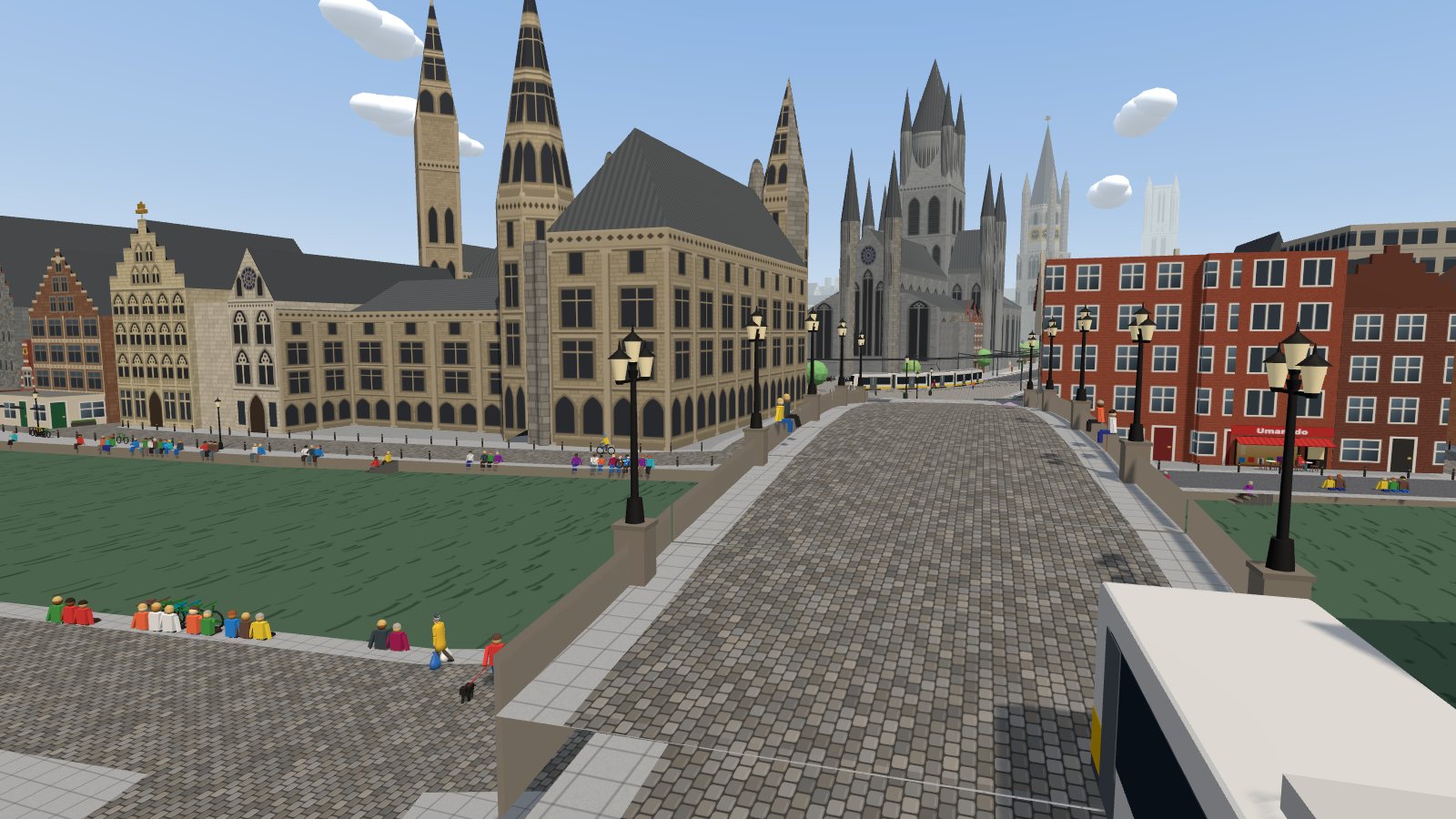
Wander among about 40,000 buildings rebuilt in 3D from OpenStreetMap, each at its measured height. Look up at the 95-metre Belfry, and at the Gravensteen, the Stadshal and St Bavo's, all drawn to measure.
 Instant Cities: Ghent
Explore or race by bike, on foot or on horseback through the city of Artevelde!
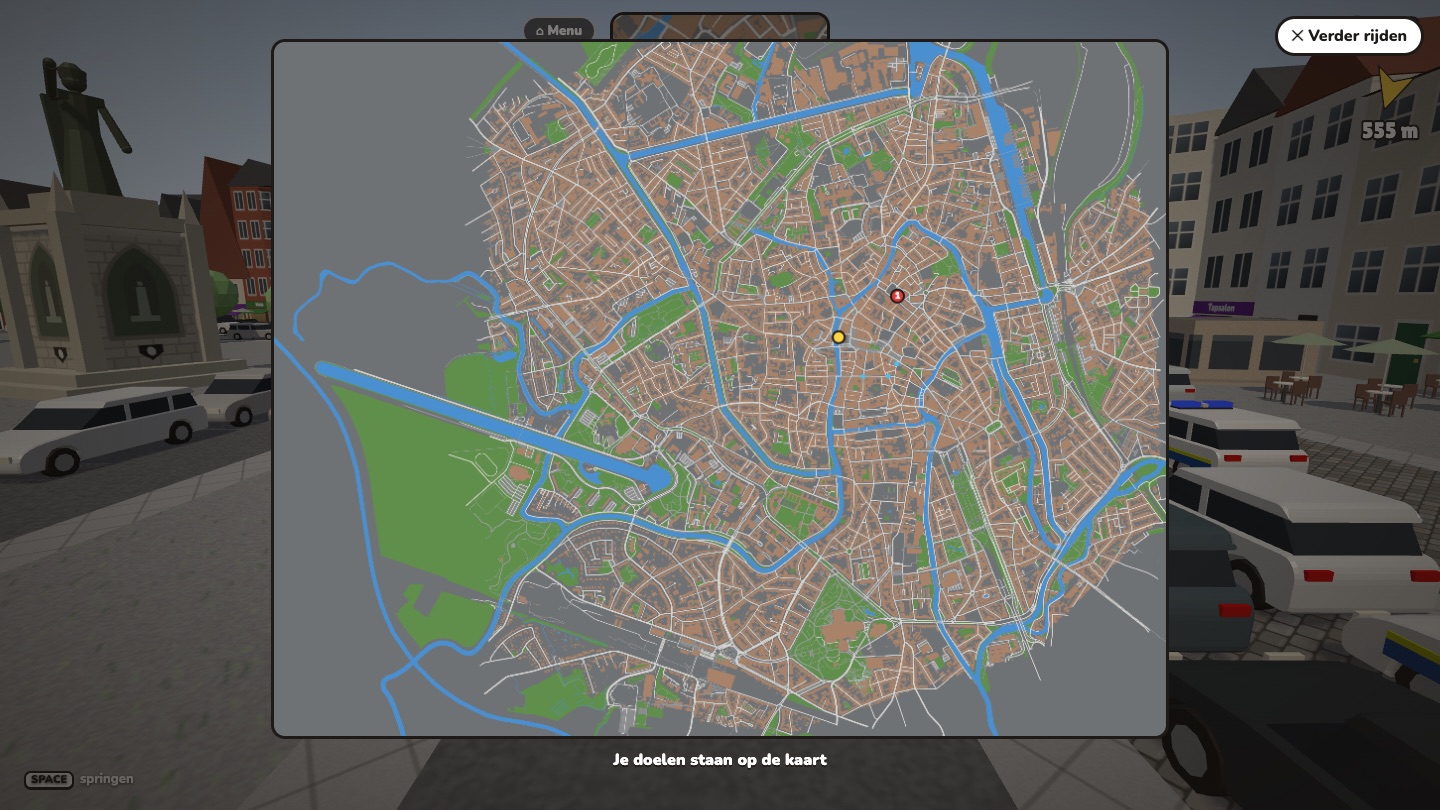
Ride through all of Ghent inside the R40 ring road in 3D, with every building at its real height.
Free · no account · works on PC, tablet and phone
Wander among about 40,000 buildings rebuilt in 3D from OpenStreetMap, each at its measured height. Look up at the 95-metre Belfry, and at the Gravensteen, the Stadshal and St Bavo's, all drawn to measure.
Race Gent Centrum past the three towers, through the narrow streets of the Brugse Poort, from Sint-Pieters to Dampoort right across the city, or from the Overpoort to the S.M.A.K.
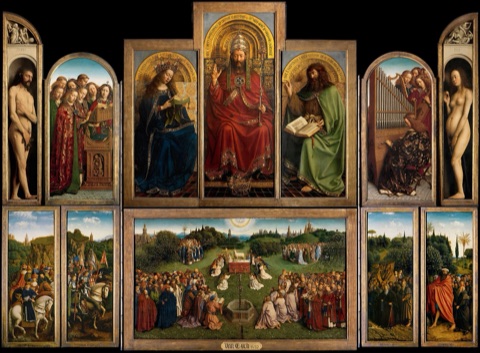
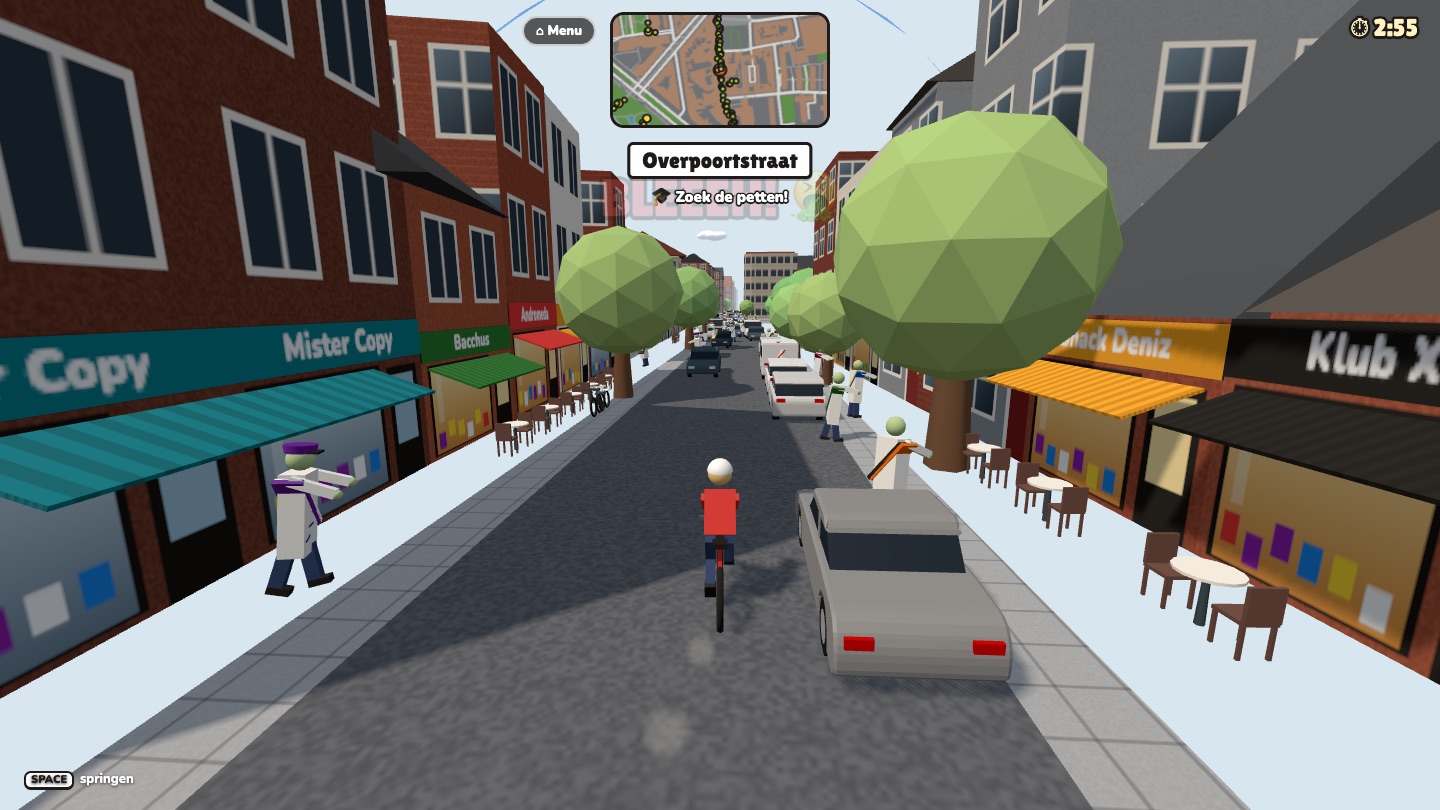
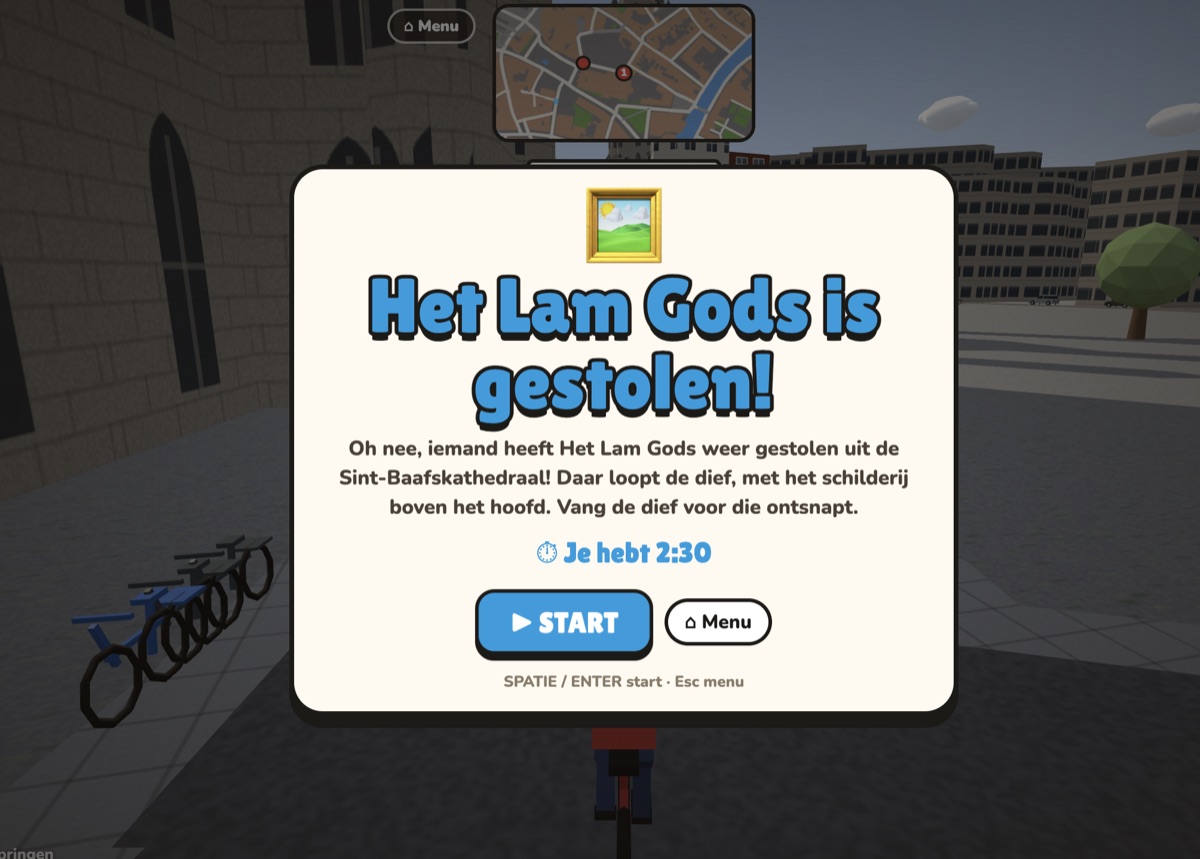
Beat four short missions against the clock: track down the stolen Ghent Altarpiece or escape the student zombies in the Overpoort.
Ghent is a university city in Flanders, the Dutch-speaking north of Belgium, where the River Lys flows into the Scheldt. In the Middle Ages its cloth trade made it one of the largest cities north of the Alps, and the guild houses on the Graslei, the Gravensteen castle and the towers of St Nicholas’ Church, the Belfry and St Bavo’s Cathedral still show how rich it was. St Bavo’s keeps the Van Eyck brothers’ Ghent Altarpiece, and since 2017 cars can no longer drive through the medieval centre.
 St Bavo’s CathedralBuilt from the 13th to the 16th century, with an 89 m tower. Inside hangs the Van Eyck brothers’ Adoration of the Mystic Lamb (1432), one of the most famous and most stolen paintings in the world. Its Just Judges panel, stolen in 1934, has never been found.
 BelfryThe town’s 91 m tower, begun in 1313. Ghent kept its charters of rights here, and watchmen looked out for fire and enemies. A gilded dragon keeps watch on top. With the Cloth Hall beside it, it is a UNESCO World Heritage Site.
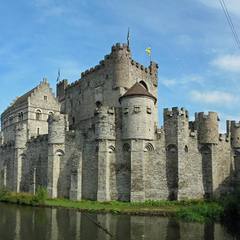 GravensteenThe castle of the Counts of Flanders, built in 1180 by Philip of Alsace. It later served as a court, a prison and even a cotton mill, and got its battlements back around 1900. In 1949 students occupied it, in protest against the price of beer going up.
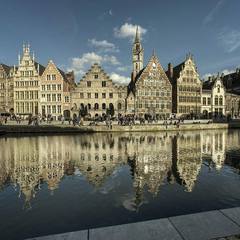 Graslei and KorenleiGhent’s medieval port, on both banks of the Leie. Boatmen unloaded grain here and the guilds built their houses along the quay. The Koornstapelhuis, the grey Romanesque grain store from around 1200, is one of the oldest houses in town.
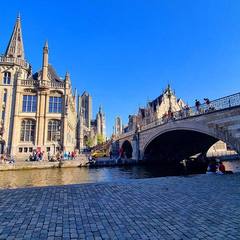 St Michael’s BridgeBuilt at the start of the 20th century, just before the 1913 World Fair. Look east to see Ghent’s three towers in a row: St Nicholas’, the Belfry and St Bavo’s. Behind you stands St Michael’s Church, whose tower was never finished.
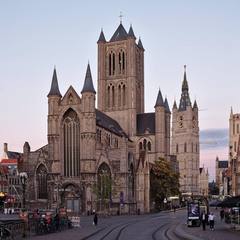 St Nicholas’ ChurchThe merchants’ church, from the 13th century, in blue-grey Tournai stone: Scheldt Gothic. Its tower sits right on the middle of the roof and doubled as a lookout, long before the Belfry stood. Today it also hosts concerts and exhibitions.
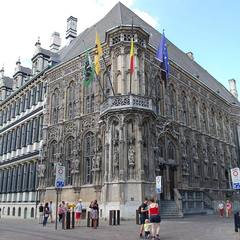 City HallA city hall in two styles: ornate late Gothic on the Hoogpoort, sober Renaissance on the Botermarkt. Running out of money and the wars of religion kept halting the building work. The Pacification of Ghent, a peace between the Low Countries’ provinces, was signed here in 1576.
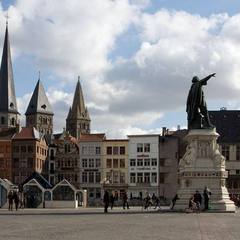 VrijdagmarktThe square of markets, feasts and uprisings, where the Counts of Flanders were sworn in. In the middle Jacob van Artevelde, the brewer who led Ghent in 1338, points the way. Across the square stands Ons Huis, the big home of the socialist workers’ movement.
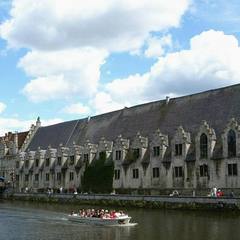 Groot VleeshuisThe butchers’ covered meat hall, built from 1406 to 1419. Hams still hang drying under its impressive wooden roof. Today you can buy and taste East Flemish regional produce here.
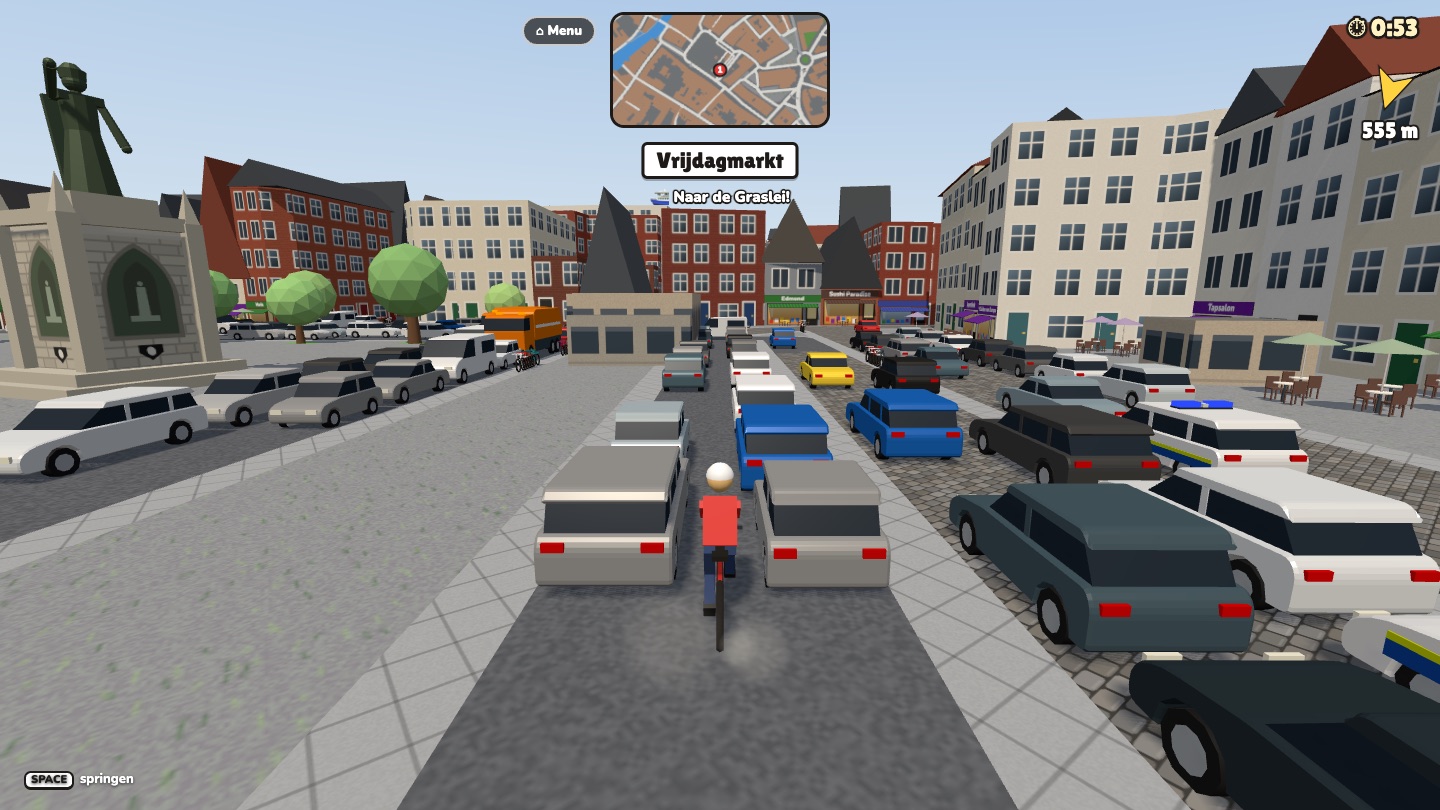
Still in development: expect some rough edges.