
National Gallery
Britain’s collection of European paintings, free to visit, along the north side of Trafalgar Square.
Photo: Diego Delso, CC BY-SA 4.0, via Wikimedia Commons

The National Gallery opened in 1824 with 38 paintings and moved to Trafalgar Square in 1838. It now holds some 2,300 works, from Van Eyck’s Arnolfini Portrait to Van Gogh’s Sunflowers.
Like Britain’s other national museums, it is free to visit. Visit it in 3D ›
Famous art here
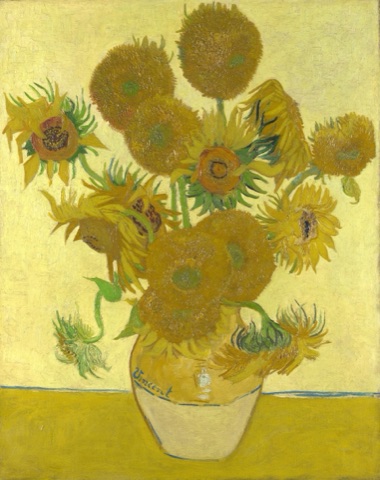 SunflowersVincent van Gogh, 1888
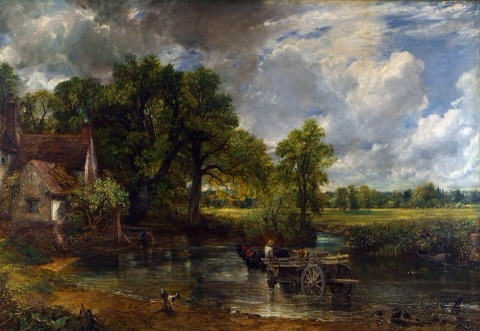 The Hay WainJohn Constable, 1821
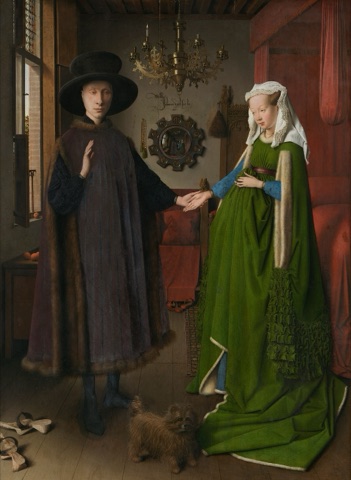 The Arnolfini PortraitJan van Eyck, 1434
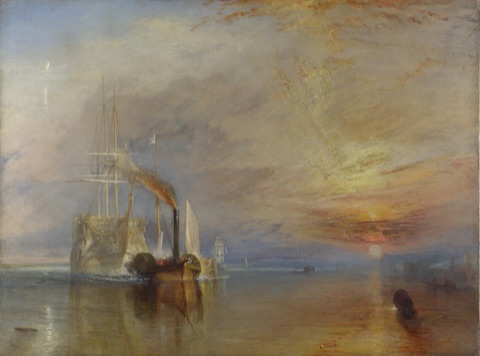 The Fighting TemeraireJ. M. W. Turner, 1839
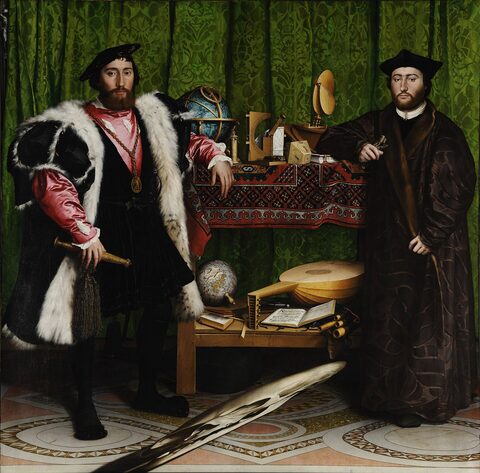 The AmbassadorsHans Holbein the Younger, 1533
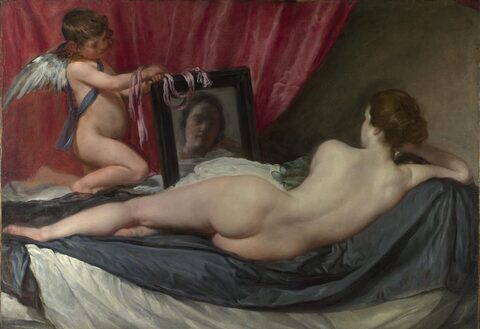 The Rokeby VenusDiego Velázquez, 1647–1651
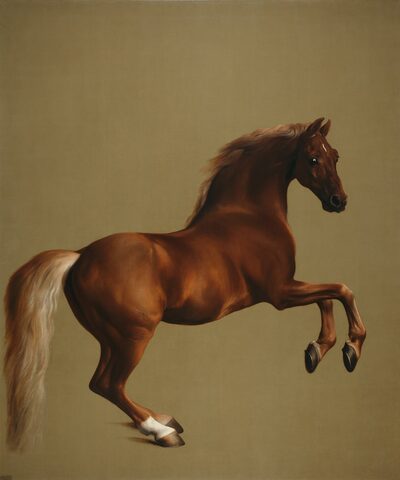 WhistlejacketGeorge Stubbs, c. 1762
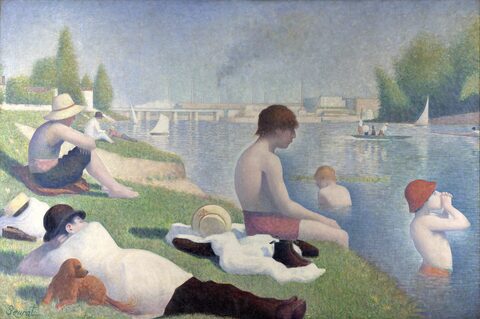 Bathers at AsnièresGeorges Seurat, 1884
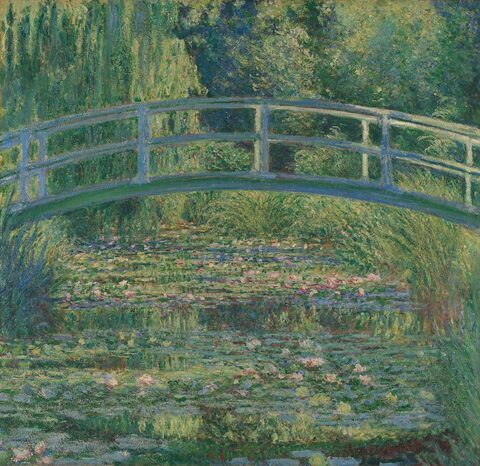 The Water-Lily PondClaude Monet, 1899
More in London
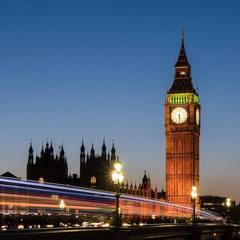 Big BenThe great bell in the clock tower of the Houses of Parliament, whose tower is now the Elizabeth Tower.
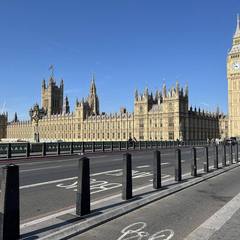 Houses of ParliamentThe Palace of Westminster on the Thames, rebuilt in Gothic style after the fire of 1834.
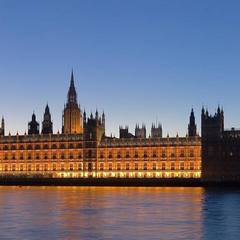 Westminster AbbeyThe church where English and British monarchs have been crowned since 1066.
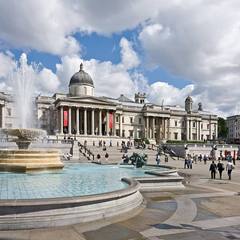 Trafalgar SquareNelson on his column, four bronze lions and the National Gallery along the north side.
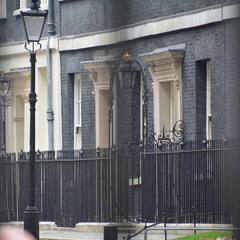 Downing StreetNumber 10, the home of British prime ministers since 1735, behind black gates off Whitehall.
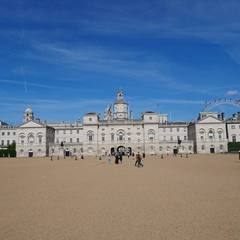 Horse GuardsMounted troopers of the Household Cavalry stand sentry on Whitehall every day.
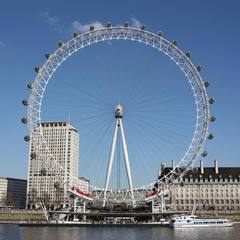 London EyeThe giant observation wheel across the Thames, built for the year 2000.
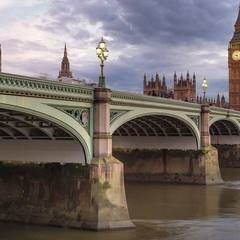 Westminster BridgeThe green bridge over the Thames beside Big Ben, painted the colour of the House of Commons’ benches.
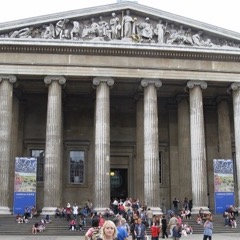 British MuseumThe world’s first national public museum, in Bloomsbury, with the Rosetta Stone and the Parthenon’s marbles.
 Black cabLondon’s taxis, tall enough for a man in a top hat, driven by cabbies who know every street by heart.
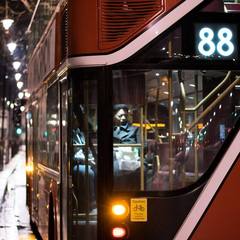 Red double-deckerThe red two-storey buses that have carried London since the days of the horse bus.
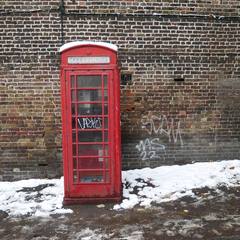 Red phone boxThe red cast-iron telephone kiosks of Giles Gilbert Scott, from the 1920s and 1930s.
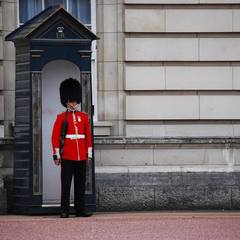 Changing of the GuardThe ceremony in which the King’s Guard hands over to the new guard, in red tunics and bearskins.