
Gravensteen
The castle of the Counts of Flanders, built in 1180 by Philip of Alsace. It later served as a court, a prison and even a cotton mill, and got its battlements back around 1900. In 1949 students occupied it, in protest against the price of beer going up.
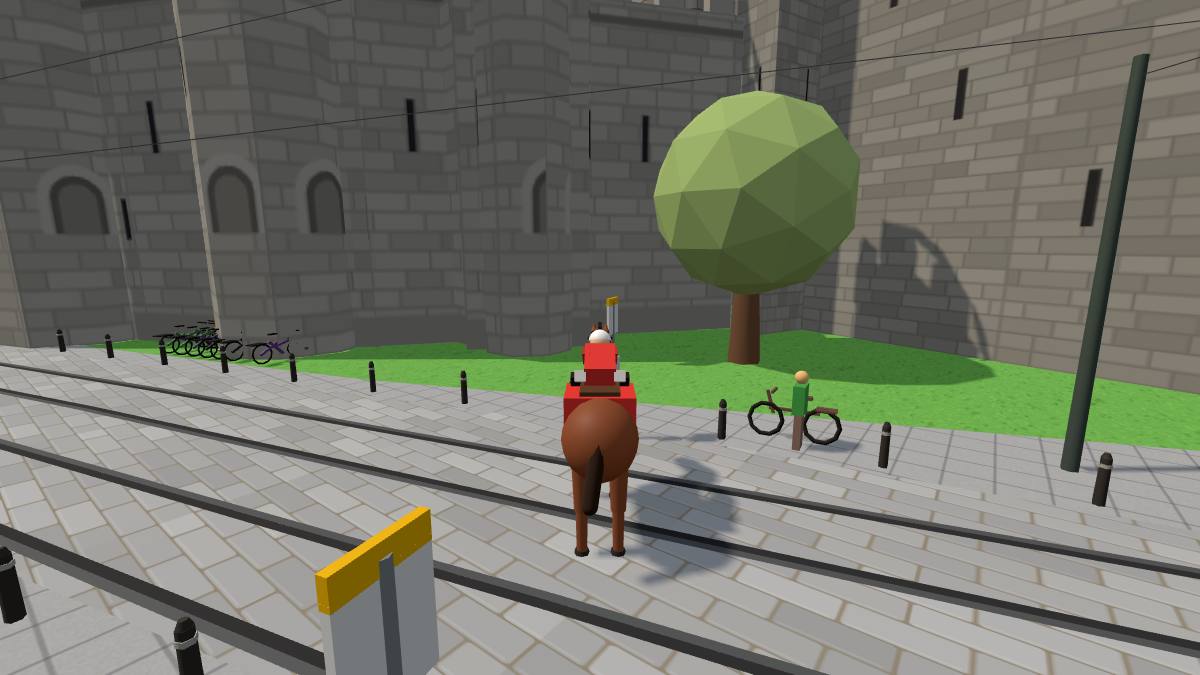
The Gravensteen is the only medieval castle in Flanders with an almost completely preserved defensive system, and it stands right in the middle of the city. A moat fed by the Leie and the Lieve surrounds a high curtain wall with turrets and battlements. You enter through the gatehouse onto the courtyard, with the keep in the middle: the count’s massive residential tower, almost thirty metres high.
Inside you wander through the count’s halls, the old cellars, the dungeons and the armoury, with suits of armour, swords and crossbows. There is also a collection of instruments of torture and punishment from the days when the castle was a court and a prison: not the place for small children who scare easily. The high point is literally the roof of the keep: from the battlements you look out over the roofs of the Patershol, the Vrijdagmarkt and the towers of the old town.
The visit comes with an audio guide in the form of an ‘audio film’: Ghent comedian Wouter Deprez tells the castle’s history with plenty of humour, and it works for young and old. So you hear about counts, rebellious Ghent folk and students on the roof as you walk through the halls.
History
There was a fortified place here as early as the 10th century, at first of wood. In 1180 Count Philip of Alsace had the stone castle built that you see today; an inscription above the gate gives the year. Philip had been on crusade and had seen the crusader castles there. His castle was also a message to the rich, rebellious people of Ghent: the count was in charge here.
After the 14th century the counts no longer lived there: they moved to the more comfortable Prinsenhof, where Charles V would be born in 1500. The Gravensteen became the seat of the Council of Flanders, the county’s highest court. Justice was done here, coins were minted, prisoners were locked up and tortured. When the Council left in the 18th century, the castle was sold and split up: houses and workshops moved in and, in the early 19th century, even a cotton mill, with workers’ houses in the courtyard.
By the end of the 19th century the Gravensteen was a crumbling ruin hidden behind houses. The city bought it and had it restored. Around 1900 it was cleared and got its walls, towers and battlements back, partly as the restorers thought a medieval castle ought to look. Just in time for the 1913 World’s Fair it stood there again like a fairy-tale castle.
In November 1949 Ghent students occupied the castle for a few hours, in protest against the price of beer. They barricaded themselves behind the battlements and pelted the police and firemen with rotten vegetables. The story became a legend, and the students still commemorate the occupation every year.
Going to see it
The Gravensteen is on Sint-Veerleplein, five minutes’ walk from the Korenmarkt and the Graslei, on the edge of the Patershol. Buy a ticket at the desk or online in advance; the audio guide is included. Allow an hour and a half. There are many narrow spiral staircases, so the castle is only partly accessible by wheelchair or pushchair.
In summer, go early in the day or late in the afternoon: the battlements are less crowded then. Afterwards you can walk straight into the Patershol, the old quarter of narrow lanes and many restaurants.